What do you picture when you think of female friendships? Maybe you envision your childhood best friend, sitting with you on your bed with slippers dangling off the sides, sharing each other’s deepest darkest secrets and talking about your crush into the wee hours of the night. Or maybe your mind goes to not-so-happy times—that moment when that same friend left you feeling betrayed, judged and disappointed.
When it comes to female relationships, nobody is immune to being hurt. Kristen Schoenbeck, who has led many women to Christ at SMASH (Kensington’s all-girls weekend), sat down with Ann Wilson, teacher at Orion campus and bold leader at SMASH, to talk about friendship.
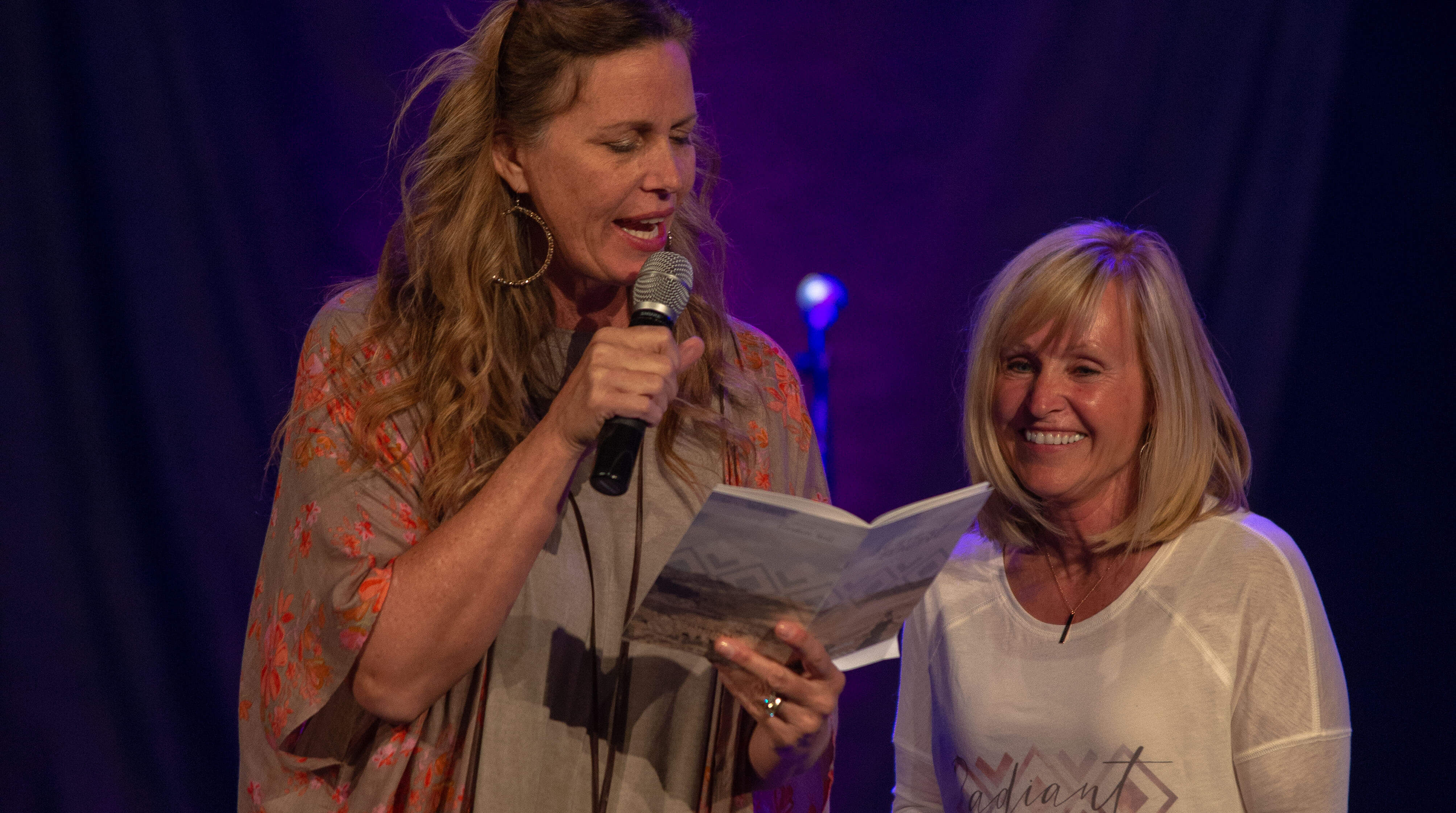
“I’m not a good friend,” Kristen led with. “I don’t even know when your birthday is, Ann.”
Ann quickly related to Kristen’s sentiment of feeling inadequate in the friendship game, although she assured Kristen that her friendship is a gift.
Our impulse to think we’re incapable of deep, meaningful friendships comes from the internal mantra in our head that pin-points why we aren’t worthy or deserving of female relationships, Ann articulated.
I’ll tell you what mine is: “I’m more of a dude. I’m a high thinker. I don’t know if girls get me,” Ann said.
Overcoming feelings of unworthiness
The first thing that needs to happen when you are evaluating the friendships in your life, according to Kristen, is to identify the lies you hear about yourself as a friend. Selfish. Boring. Not compatible. Not enough.
“What do you hear? Write it down,” Kristen prompts.
“Yes, take it before Jesus,” Ann adds.
Satan wants to steal and destroy our friendships, they agreed. He knows that Christ-centered female relationships are an unstoppable force.
Once you’ve overcome feelings of unworthiness, the next step is to acknowledge your weakness. Ask God to reveal to you how you’ve hurt people before.
“Once you are getting deeper into a friendship, it’s wise to put all your cards on the table,” Kristen said. “Here’s who I am, this is my weakness. I’m not very good at keeping in touch with people all the time. It’s not because I don’t like you. I don’t want it to hurt you, so I’m telling you that this is a weakness in me.”
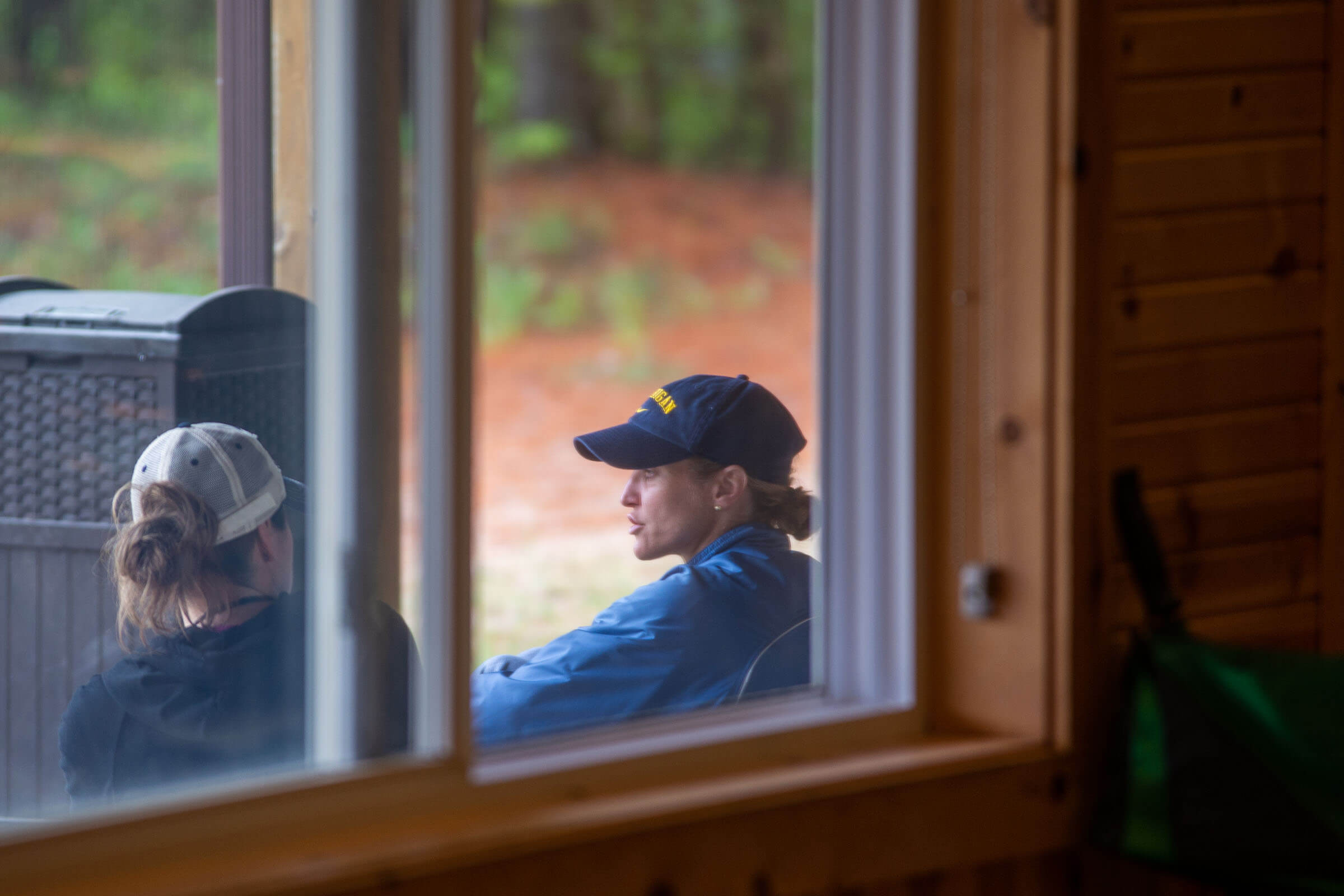
“Man, we’ve been really hurt by friendships,” Ann said. “As a result, we’re leery going into them. We don’t know if we can trust or let our guard down.”
Kristen recalls the first time she was upset with Ann. Afraid that being vulnerable would cause a dent in their relationship, Kristen was hesitant to confront Ann.
“But I was so glad Kristen was honest with me,” she said. “Once we can get beyond those things, we can go finally get deeper into what God has in store for our friendship.”
Kristen added, “It’s so easy to pull inward, but God wants us to bring our hurts to Him and to each other.”
Defining a friendship
Ann recalls a time in particular when one of her best friends, Michelle, felt neglected. Ann wasn’t calling, checking in on her, or pursuing the friendship—in Michelle’s eyes. Once Michelle brought her feelings in front of Ann, it prompted a real conversation about expectations.
“It’s so important to have those upfront conversations,” Kristen agreed. “We need to ask, ‘What do you need from me? What does friendship look like to you?’”
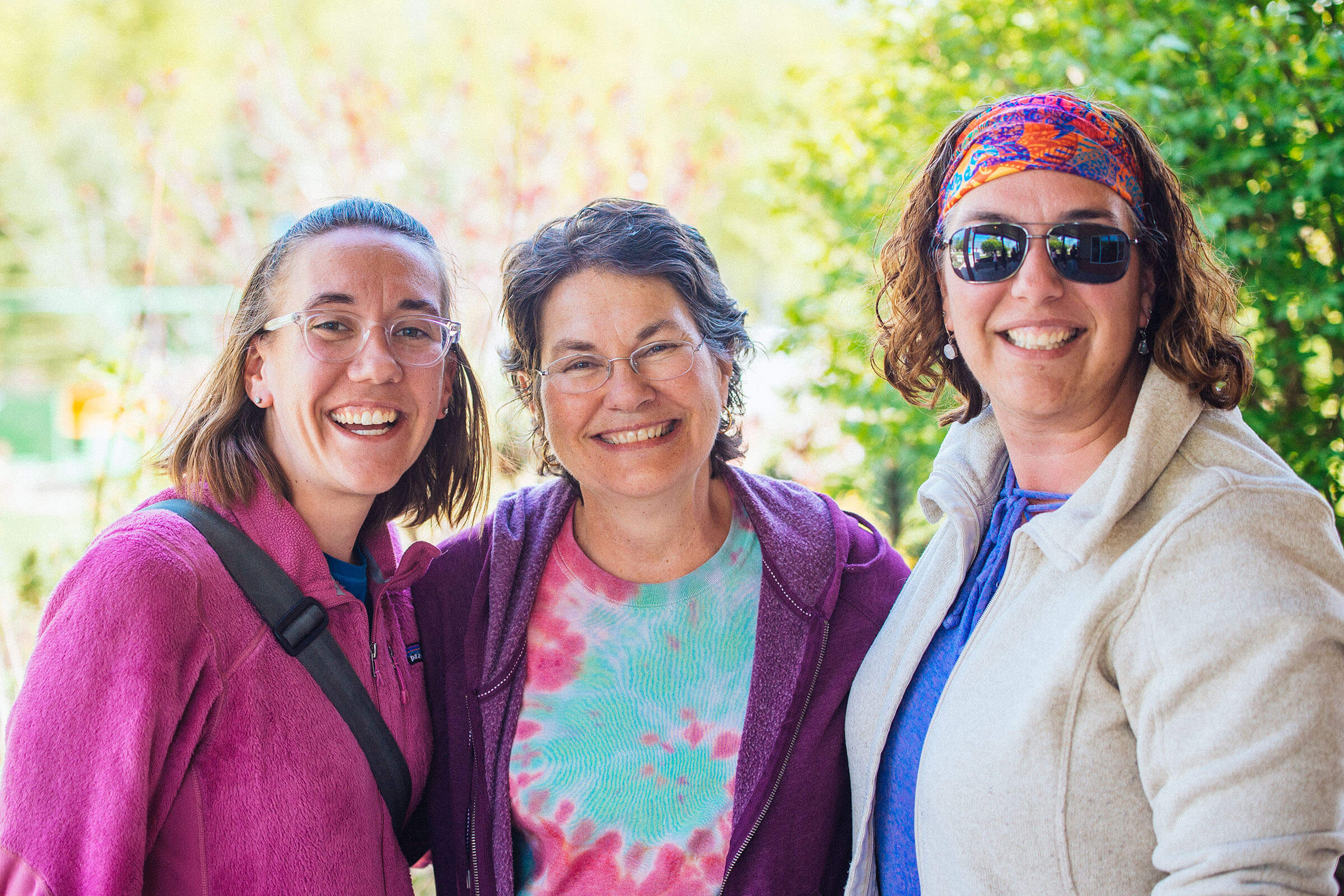
In addition to defining a friendship and setting expectations, Ann said it’s also important to understand that friendships look different in every relationship and in different seasons of life.
“Each friendship brings something different to the table,” Ann said. “It’s like the Body of Christ—we all have different gifts, personalities, and things to offer.”
The act of being a friend can look different depending on the circumstance and relationship, the ladies agreed. Being a friend can be as simple as bringing over a casserole, fighting for each other in a tough season, just being there as a physical presence, or praying for each other.
“Ask God how you can be a friend in that moment,” Ann said. “Being a friend today may look different than being a friend tomorrow.”
Friends in different seasons
Kristen and Ann reflected on friends that have come and gone, and the natural ebbs and flows in each relationship.
“There is a natural progression that we go through with friends,” Ann said. “When you go through the same life stuff with someone, you get a little tighter.”
Kristen said that the key to embracing the different seasons in friendships is to be thankful for the history of each friendship and embracing a spirit of openhandedness. Female friendships can sometimes bring out ugly mindsets like jealousy and envy.
“We also need to remember that Jesus is our best friend,” Ann said. “I go to him before I go to my friends. I’ve learned that out of desperation and habit. I always want him to have my first thoughts, fears and insecurities.”
Investing in the work
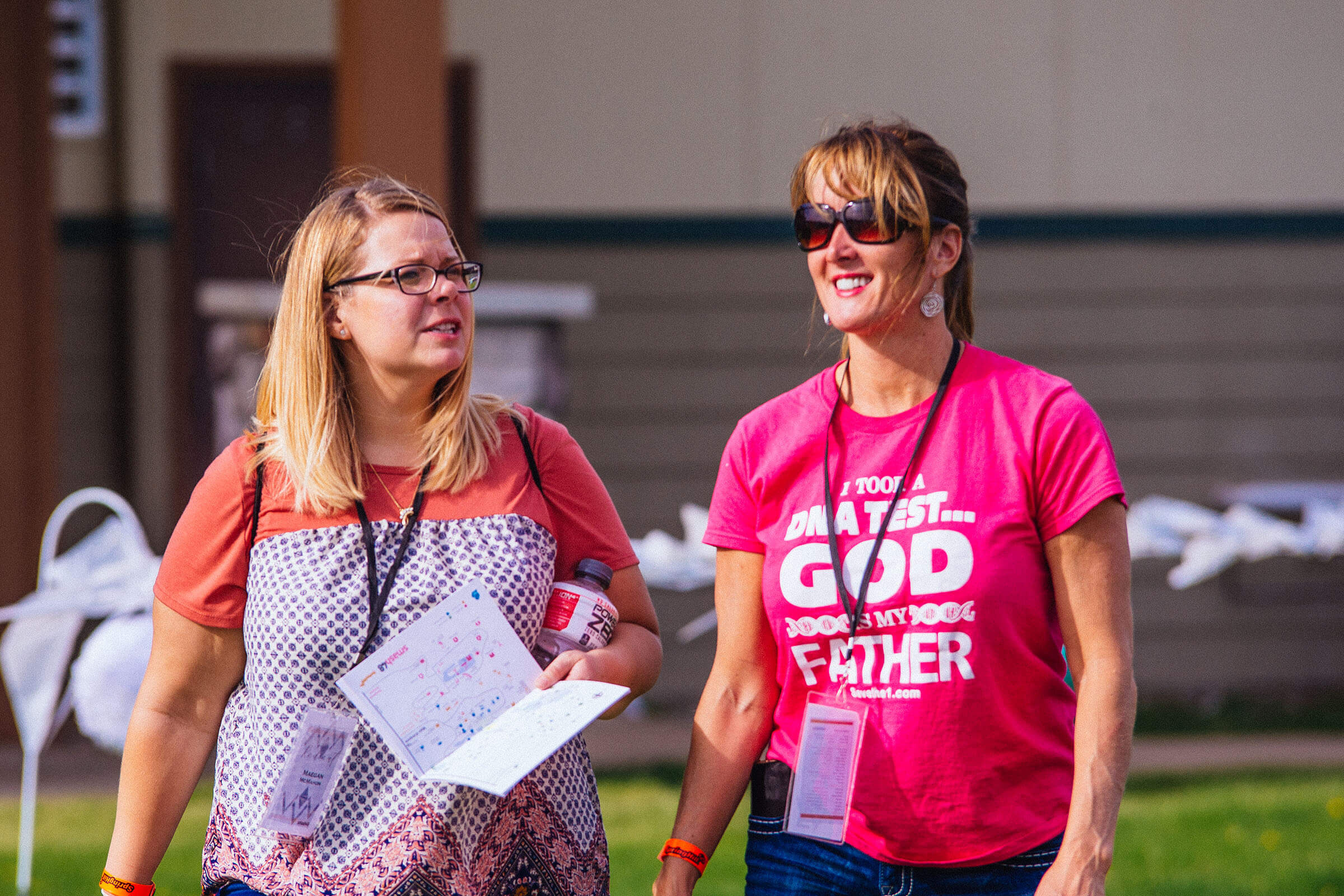
Both Ann and Kristen emphasized that true friendship takes work. It takes sacrifice, overlooking the little things, encouraging each other, and drawing out each other’s strengths.
“When I’m with you, I like myself better,” Kristen said. “A friendship should make you feel empowered.”
“You’re so good at that, Kristen,” Ann said. “You speak life into people. You see people. You see their gifts and talents. You truly bring joy.”
To bring out the best in a person, Ann and Kristen recommend a simple tactic: spending time with Jesus. When we ask God to show us the good in our friend, we will be able to give the encouragement our friend needs.
“There’s something about women on mission,” Ann said. “It just sets your heart on fire. Being alongside sisters stirs up something in our souls. God puts us together in such a beautiful way.”
The enemy doesn’t want us to lock arms together,” Kristen said. “Satan has a strategy, and we fall for it. We compete, we compare, we’ve envious. He does everything in his power to separate us.”
For Ann and Kristen, their friendship is bonded by their hearts’ desire to see women recognize their power in Christ.
“Each woman was placed by God for significance, unity and purpose,” Kristen said. “We are sisters, we are a tribe searching together for God’s clear touch in our lives.”