Katie placed the 40-pound jerry can of water on her head and carried it from the dirty, contaminated water source all the way back to the village. The terrain was uneven and rough, the weight of the jug was physically taxing, and the sweat beads dripped off her head as she walked the walk that women in the Pokot tribe take every day.
“It was more than physically difficult,” Katie said, who was on her fifth trip to Africa, but her first time in Kenya. “It was emotionally difficult to experience what these women endure.”
The yellow, dirty water that Katie carried for Veronica, a local villager, was the same water that Veronica used to bathe in, to cook and to clean. The water is severely contaminated and for many, it was the only water they’d ever had access to for drinking. During drought season when the water dries up, they walk as far as 10 miles for a water source.
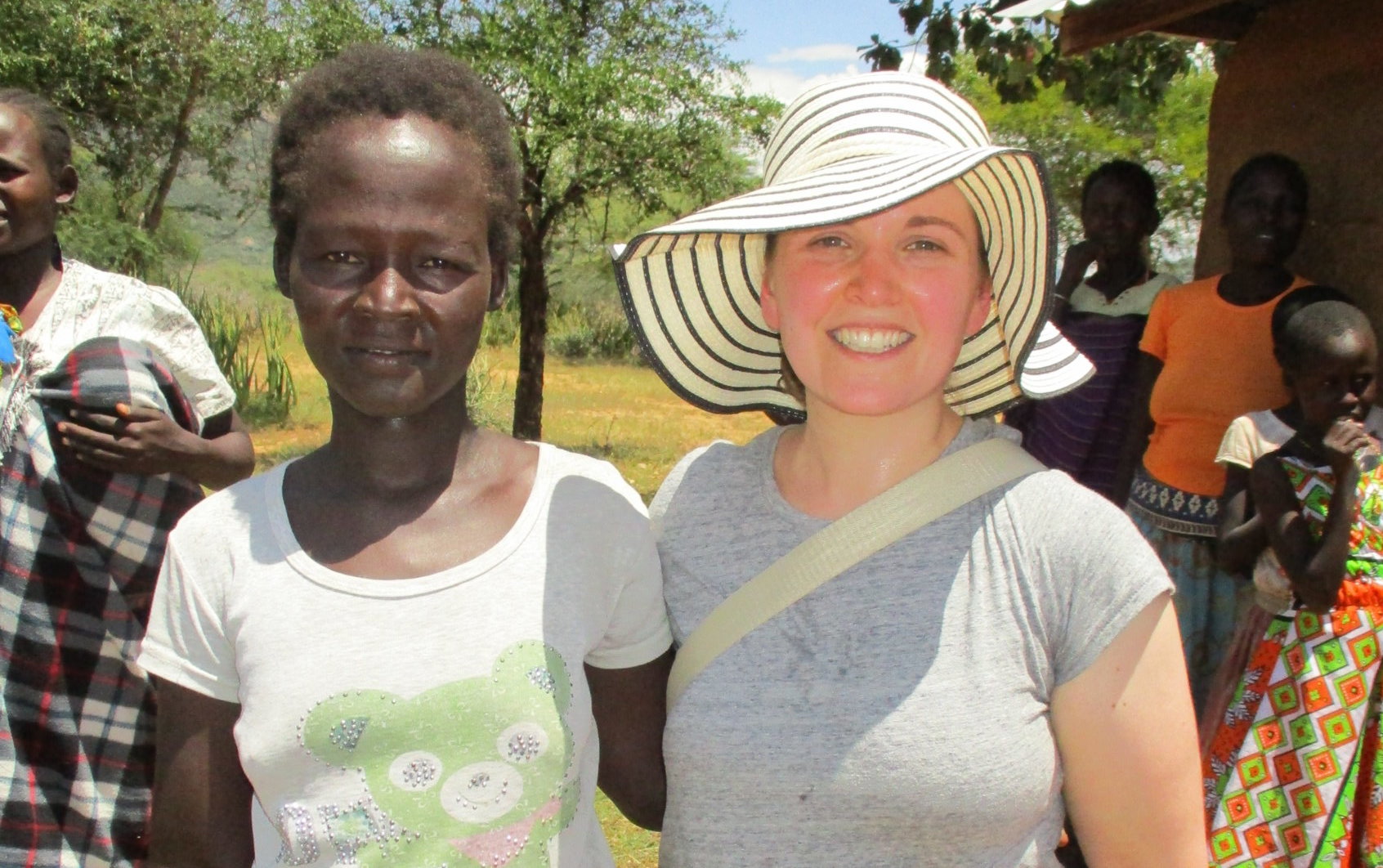
“There’s a huge problem for the Pokot in that they simply have no access to clean water and are considered a forgotten tribe,” Katie said.
While the Pokot people may be forgotten to some, they are considered family to Kensington Church. Kensington’s Hope Water Project provides new water wells for the impoverished, neglected and marginalized people of the Pokot tribe in northwestern Kenya.
Stumbling into hope
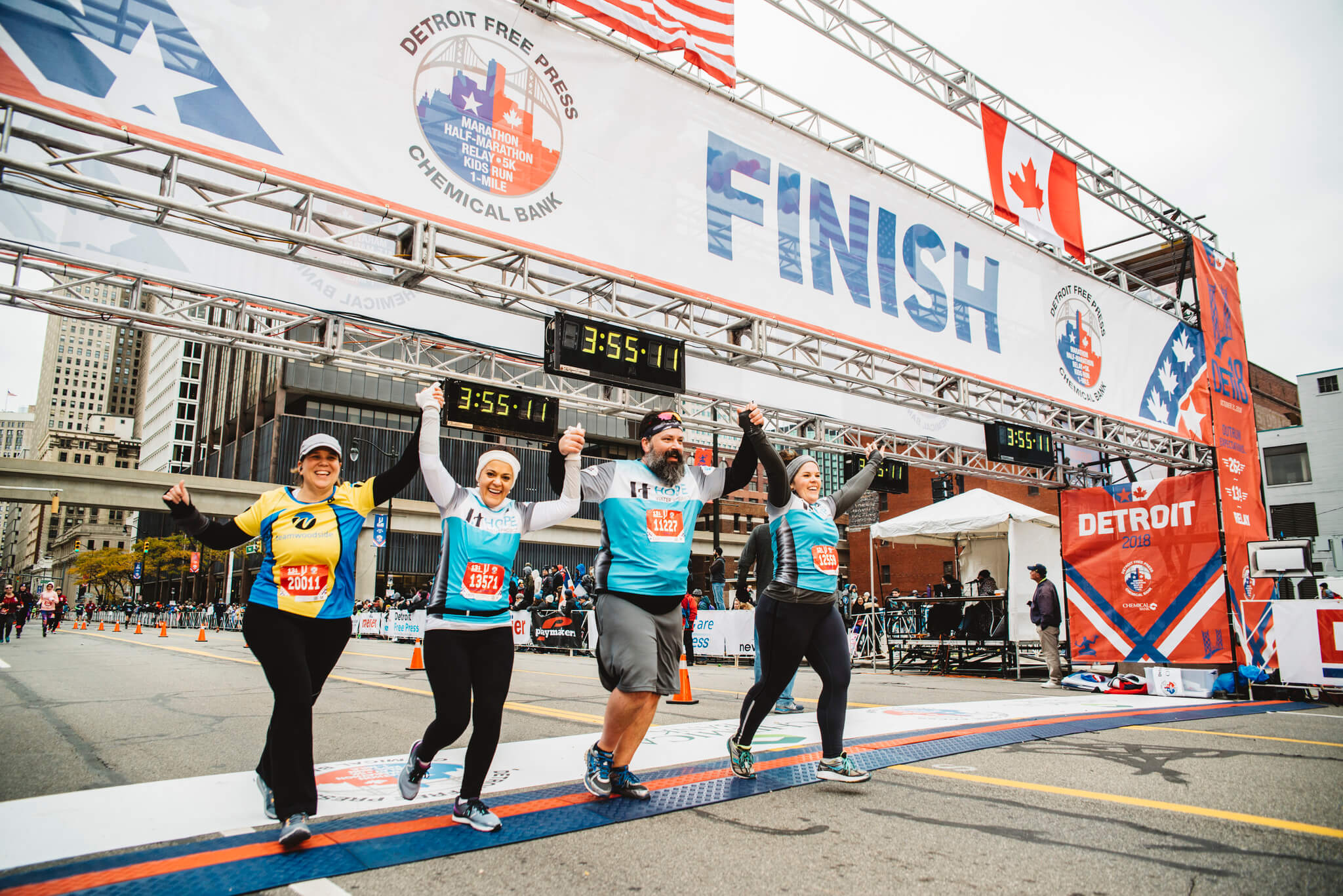
Katie first got involved in Hope Water Project by walking the Detroit Free Press half-marathon. Having a passion for giving hope to this people group, she “stumbled into” an opportunity to go on a short-term mission trip to fulfill a requirement for her master’s program at the University of Michigan.
She has been a nurse for 13 years, primarily working in intensive care and surgical services. For Katie, the trip was a chance for her to combine her passion for meeting people’s greatest needs with her medical experience.
Katie and the team went into each village to perform a community assessment to determine the feasibility of a well. They gather information like how many people are sick and the number of kids that have died. A village without access to clean water is struck with illnesses like Malaria and Typhoid.
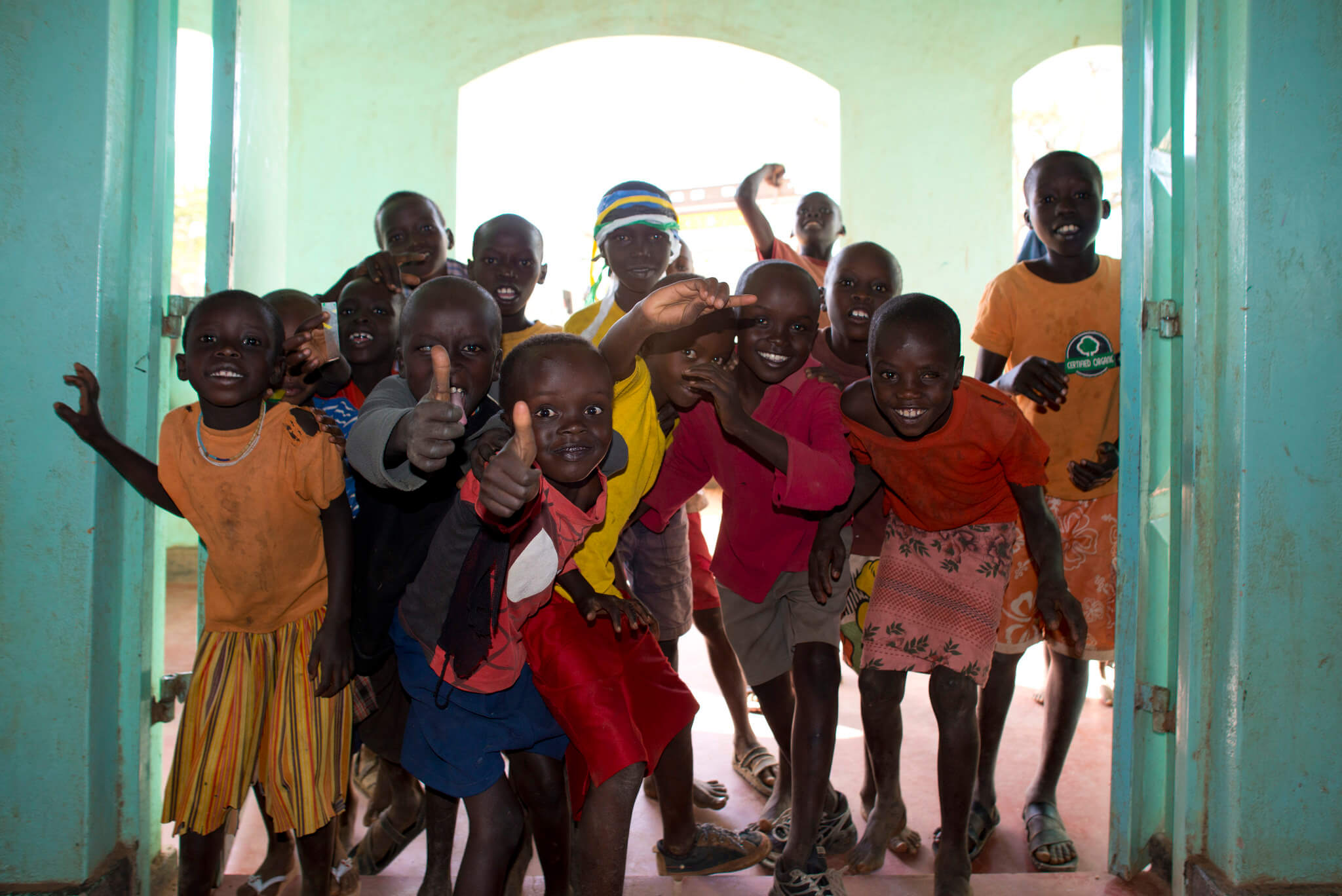
“Communities with no access to clean water were clearly sicker than residents in villages with wells,” she said. “One water well, something that we take for granted in America, changes everything.”
Katie said that once a well is providing a clean water source to the community—people flock. The dynamic of the culture changes drastically. Schools are built, a church gets established, and people give thanks to God for this gift of health and happiness.
“They recognize this gift isn’t random,” she said. “God chose them.”
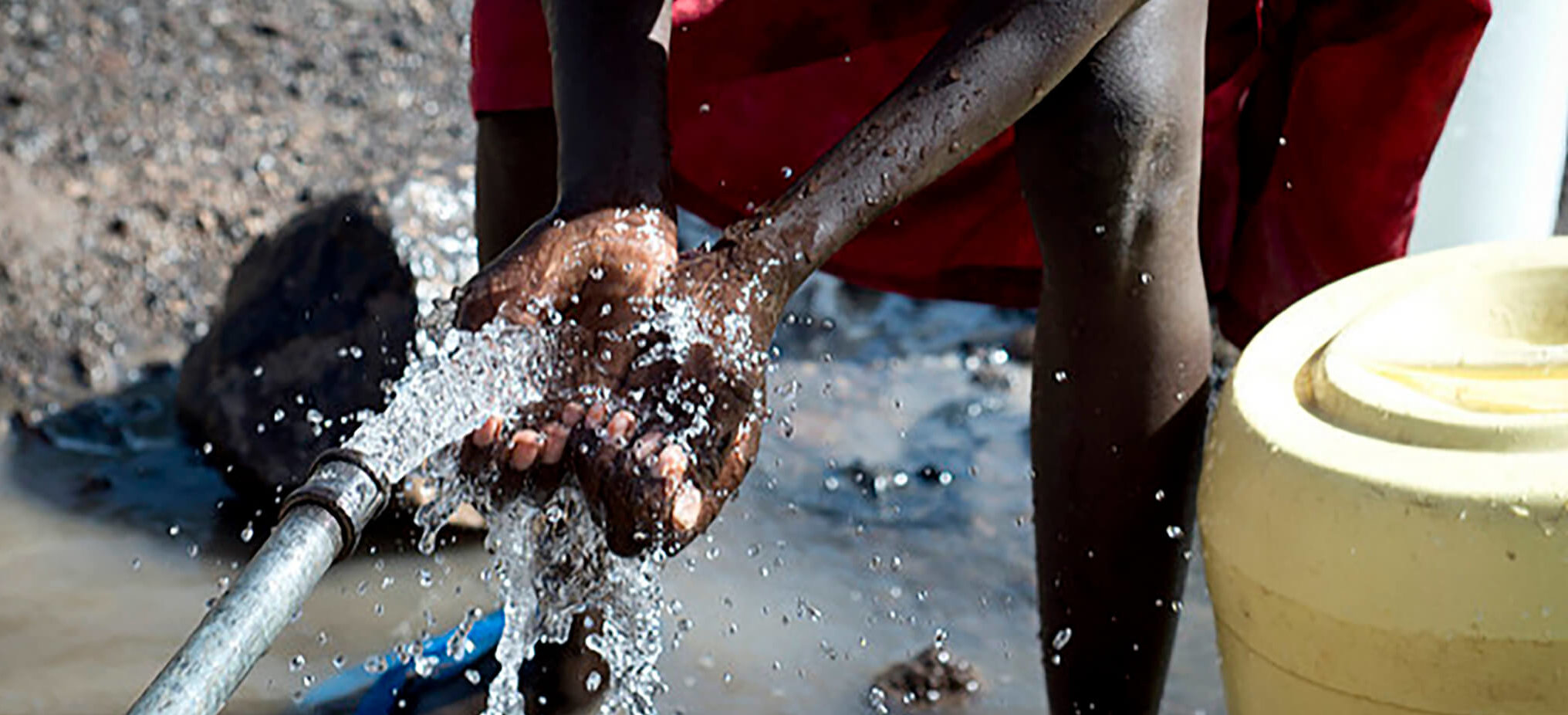
On her trip, Katie got to witness a water celebration. Waving their branches in the air, dancing and singing, the village gathered to witness water coming out of a well for the first time. She witnessed their lives changing right in front of her. The kids the women were carrying on their backs now have a future because of this gift.
The gift of physical water allows people to engage with the living water—Jesus.
Instead of observing from a distance and wishing things were different, Katie challenges us to step into the opportunity God has placed in front of us.
“You don’t have to run to make a difference. You can raise money, walk, support the runners, cycle—everything makes a difference.”
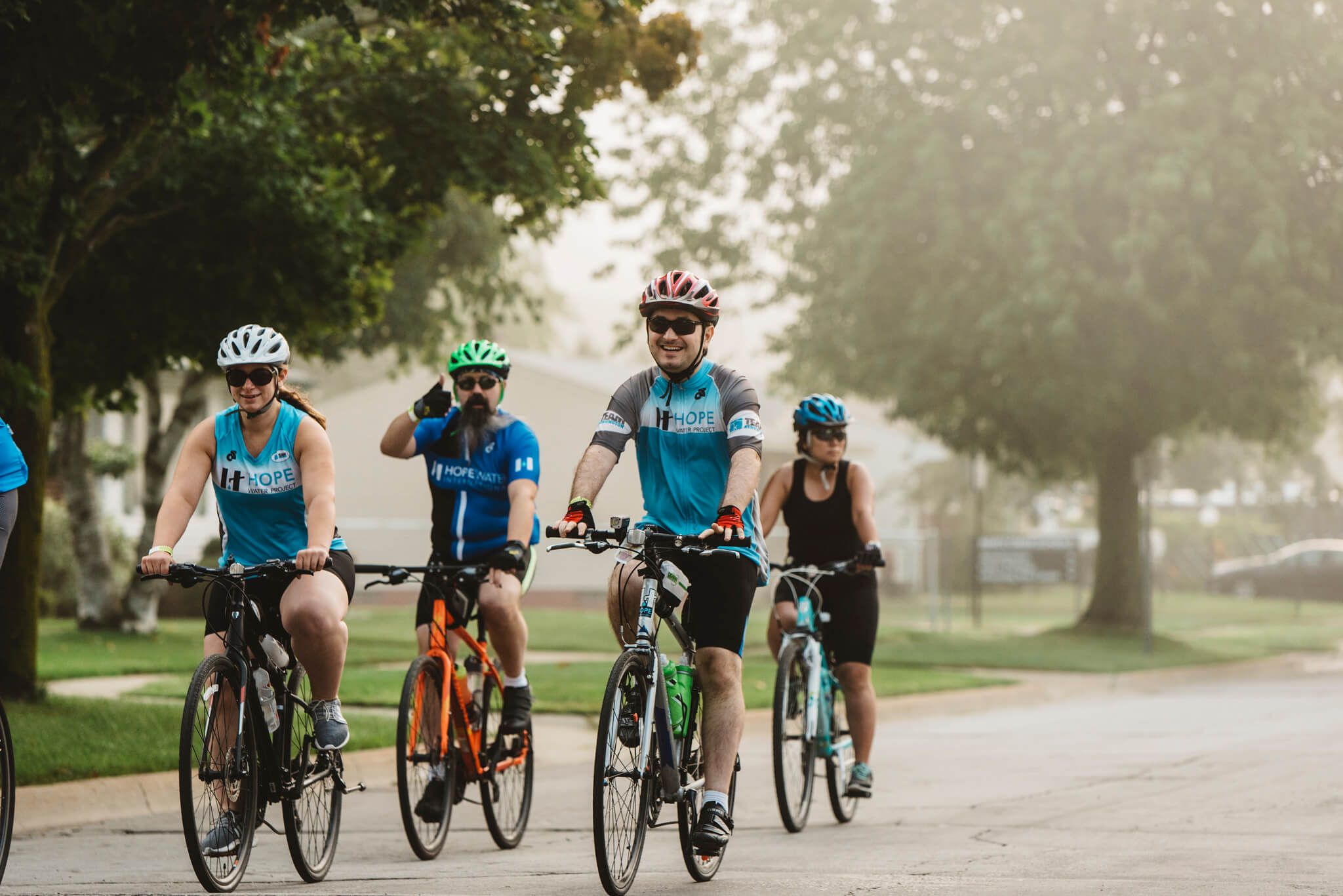
Through Hope Water Project, 128 wells have been dug—resulting in 250,000 people with access to clean water.
Hope Water Project Kick-off
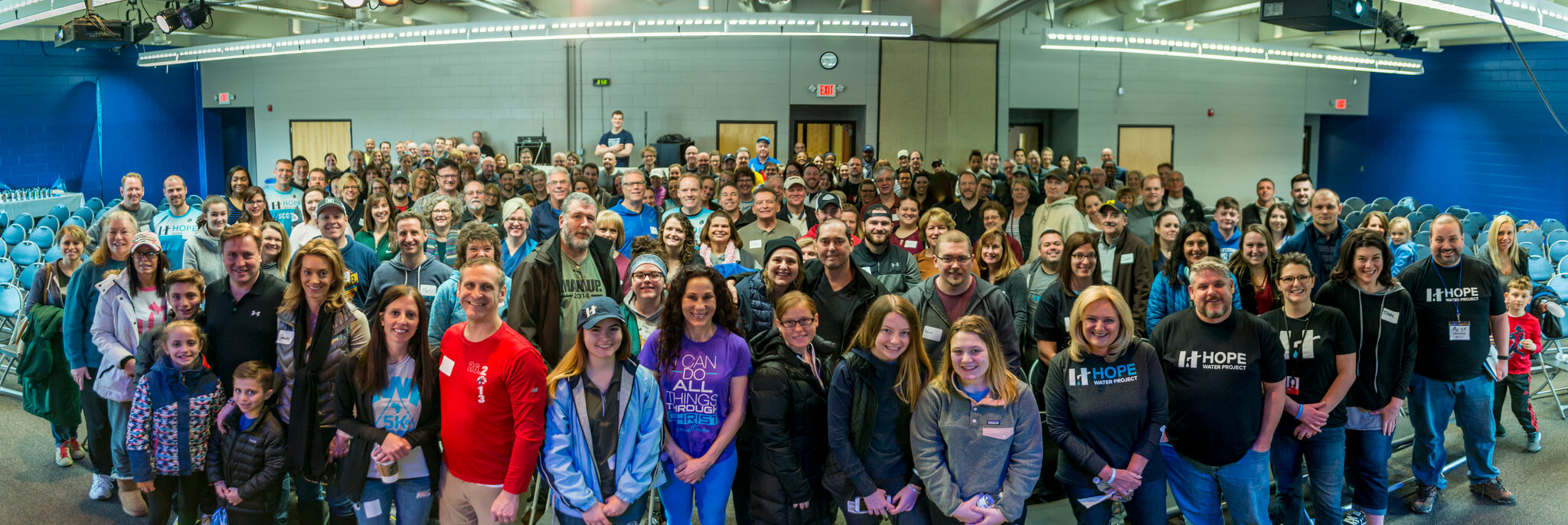
If you’d like to learn more or get involved with Hope Water Project, come to the kick-off event on Saturday, April 13 from 9-11:30 a.m. at the Troy Campus. Register here